Insights | 2026-11-08
Setting Up a UK Spare Parts Network
Customers do not mind that a product is made overseas, but they do mind waiting weeks for a replacement part. A small, well-chosen UK parts holding can change that, without building a full distribution operation.
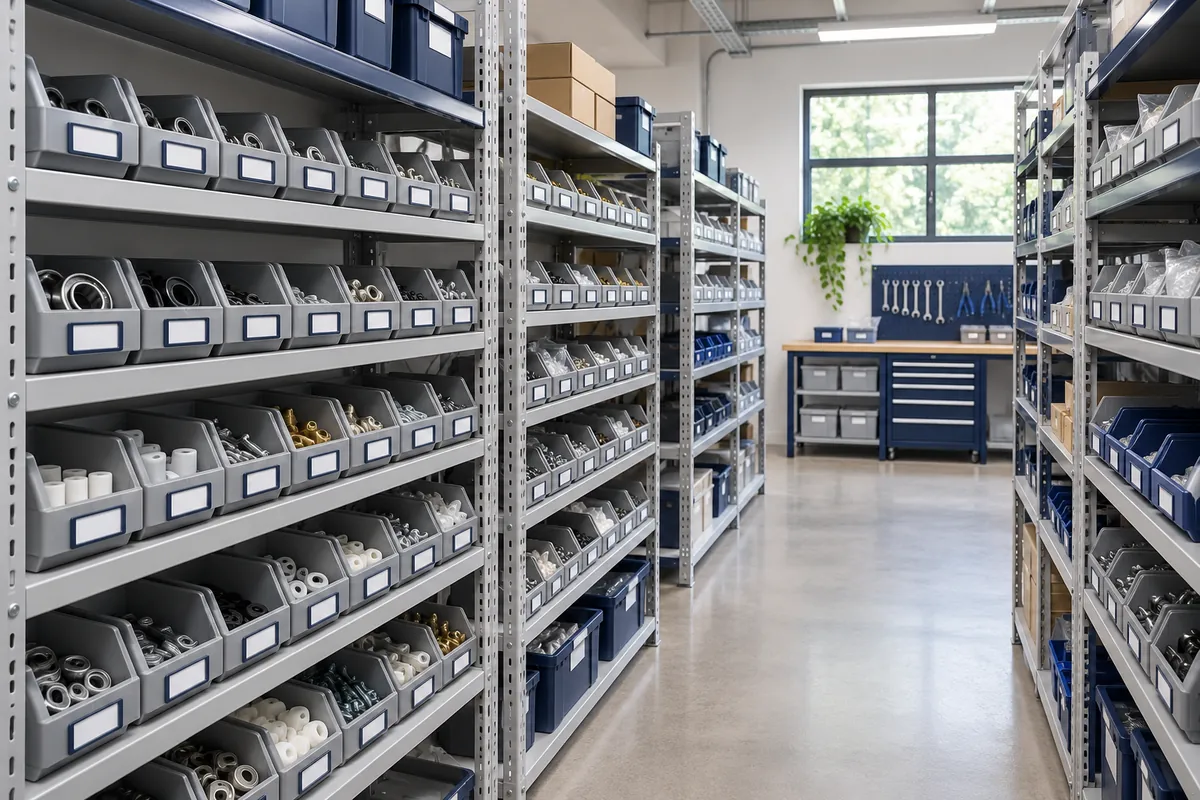
Start with the failures you actually see
It is tempting to stock a little of everything. A better starting point is your own support data: which parts fail, how often, and which failures leave the customer with a product that does not work at all. Power adapters, cables, batteries, fans, remote controls and small accessories are common candidates, but your product will have its own pattern.
If you are new to the UK market and have little data yet, begin with a short list and expand it as real cases arrive. Over-stocking slow-moving parts ties up money, and under-stocking the critical ones defeats the purpose.
Decide who fits the part
There are three broad models, and the right one depends on the part and the product:
- Customer-fit: a simple part posted to the customer with clear instructions, suitable for items like cables, feet or remote controls.
- Bench-fit: the unit comes back and a technician fits the part, suitable where tools or skill are needed.
- Hybrid: customer-fit for simple parts, bench-fit where a first troubleshooting step shows a repair is needed.
Build the basics before the volume
A parts network lives or dies on its records. Each part needs a reference that matches the manufacturer's own part number, a location, a quantity and a clear rule for when to reorder. Parts used on a repair should be logged against the case and the unit serial number, so the manufacturer can see what failed and in which batch.
Reordering from the factory takes time, particularly for international shipments, so agree reorder points that account for lead time. Import duties, customs documents and shipping regulations apply to international consignments, and these need appropriate procedures and compliance, subject to the goods and routes involved.
Keep the parts flow connected to support and returns
Spare parts management works best when it is linked to the rest of after-sales. A support agent who can see what is in UK stock can promise a realistic timescale. A returns process that identifies parts that can be salvaged from unrepairable units feeds the pool at no extra purchase cost, where the manufacturer allows it.
Our spare parts management page explains how stock, orders and reporting can be arranged, and UK fulfilment covers sending replacements and parts to customers.
Report on it
Without reporting, parts decisions become guesswork. A simple monthly view of parts used, parts on hand, parts on order and the cases they relate to gives you the evidence to adjust stock, to spot a recurring defect early and to feed back to your factory. Benefits like shorter repair times can follow, but they depend on your product and volumes and are not guaranteed.
Common mistakes to avoid
A few patterns cause most of the trouble with parts programmes. The first is stocking parts that look cheap but are rarely needed, while missing the one expensive item that keeps causing downtime. The second is failing to track revisions: if a product is updated in production, the replacement part may no longer be identical, and the UK holding needs to reflect which version a customer actually owns. The third is letting parts leave the shelf without a case number, which makes it impossible to see later what was used and why.
It also helps to plan for end-of-life. When a product is discontinued, customers will still expect parts for a reasonable period, and a plan for how long to keep stock, and what to do with the remainder, avoids awkward decisions later. Surplus or defective parts that are electrical waste need a compliant disposal route, subject to the applicable regulations.
Small brands and crowdfunded products
Not every manufacturer needs a large holding. For emerging and crowdfunded brands, a modest set of the most critical parts, often shipped from the factory in one consignment alongside the main product run, can be enough to cover the first year of UK support. Planning for this at production time is far cheaper than trying to arrange parts after launch, when backers are already waiting.
What to do next
Pull together your list of most likely replacement parts, with part numbers, approximate unit costs and any known failure rates. Mark which could be fitted by a customer and which need a bench. That list is the basis for an agreed UK stocking plan.
If you would like to discuss how a parts holding could work for your range, get in touch, or read about our partnership plans to see where parts management sits.
Give Your Brand a Local UK Presence.
Tell us about your products and where you sell. We will come back with a proposed service scope, subject to agreement.
Prefer to talk it through? Message us on WhatsApp or send an enquiry. A short note about your products is enough, and there is no obligation.